

The successful conclusion of my MFA in September 2020 presented me with a sudden window of opportunity; after a necessary period of rest, that is. Perhaps it was the end of the course, or perhaps it was the context of the continuing pandemic, but what I felt most of all was an urge to return to something grounding, basic, nurturing. For me as an artist, that means graphite drawing. Drawing is the practice where I feel I can most connect with the fundamental pleasure of making art (not always uppermost in the context of an MFA), the exploration of ideas that I have previously set aside for another time (of which there are many in the course of an MFA!), of thinking things through, and of mindfulness. And graphite, the good old fashioned pencil in particular, always seems to me to be the simplest method to access that, even though the process of exploring and thinking about it can be complex and nuanced.
Why might this be? Perhaps it’s a memory of childhood drawing, a connection with a grounded, safe space of exploration. Perhaps it’s the simplicity in the act of taking up a pencil and making a mark on a piece of paper. Perhaps it’s the surprising variety, resonance and richness of the various marks that can be conjured from a pencil.
Additionally, in the summer I was very fortunate to be given a drawing board by an MFA colleague. It was my opportunity to re-engage with the technical drawing skills that I had learnt at school, back in the mid 1980s while doing an ‘O’ Level in what was called Graphical Communication; a phrase which could open up a lot of other thinking, now I think of it.
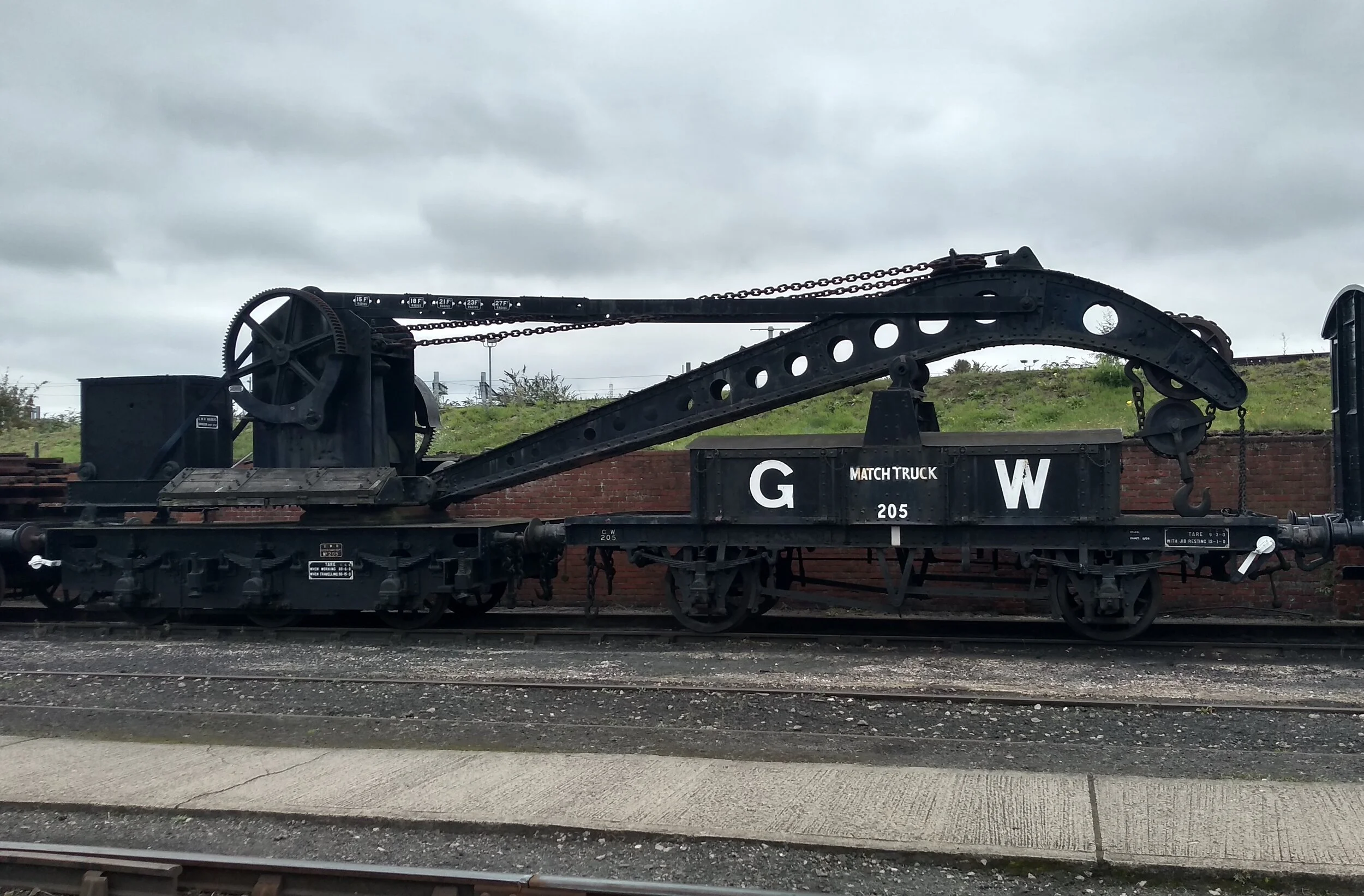
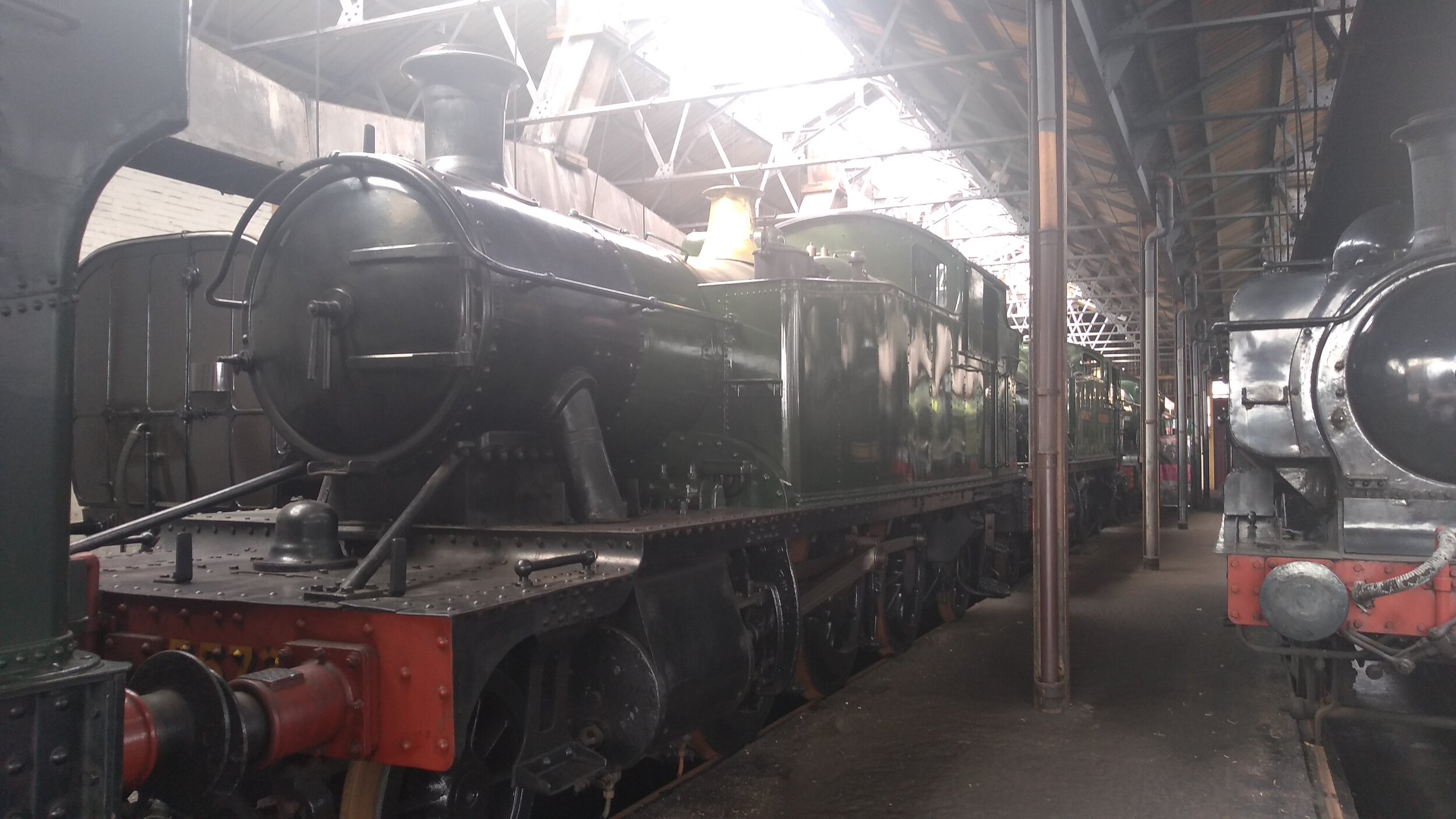
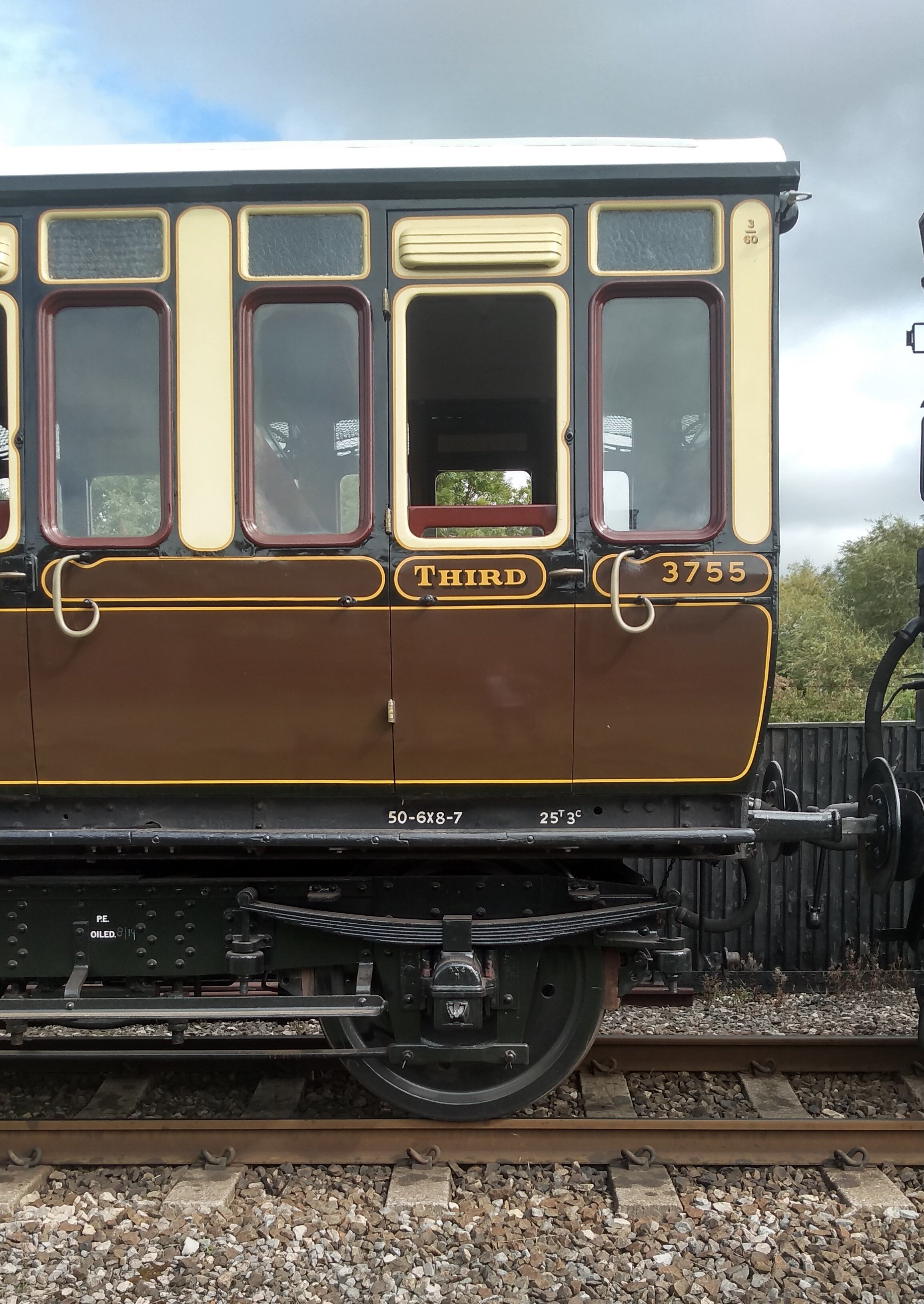
I had also made a number of visits to the wonderful Didcot Railway Centre - not far from my home in Oxford, as part of my research for my MFA, coming away with a lot of photographs and inspiration. Putting all these ideas together, as I looked for an absorbing and enjoyable project post-MFA, I eventually reached the idea of this series of pencil studies.
And why are they studies? Principally because I felt these drawings were a way of learning about something, which I wanted to acknowledge. Drawing is very often a way of thinking, understanding or learning, but beyond that I felt that these drawings in particular would be about learning something specifically technical: the possibility of thinking about how different methods of drawing might be combined. I think of these drawings as being at least as much an exploration of the possibilities of the medium as they are of the subject.
As I walked around Didcot I was very struck by the idea of the new and the old. At one point in time, these grand old locomotives around me were state of the art things. Once shining and new, they had over time become old and obsolete. Many were withdrawn, abandoned and cut up in the 1960s in particular, but some made it to places like Didcot and were now gleaming: reborn and renewed, and rather more admired than their hi-tech modern replacements whooshing by on the nearby Didcot to London main line. That combination of oldness and newness intrigued me.
I was also struck by how these great feats of engineering were, in the time of their creation, designed by hand - without any recourse to software and computers - and realised by drawing. Through engineering and technical drawings, these 3D objects were imagined and presented in sufficient 2D clarity and precision to be turned into complex, precision machines, with massive steel components, capable of travelling at great speed with enormous tonnages of people, material and goods behind them. It was drawing that first encapsulated their potential, their materiality and their newness.
But there was something else too. A century later in the engine sheds of Didcot, these engines and the coaches, wagons, and components gathered around them, are full of memory and atmosphere. (This is almost the most amazing thing about Didcot Railway Centre - there are moments where you really feel that you are back in the time of the Great Western Railway, particularly when you experience the sounds, smells and whistles of active engines.) These old locomotives have accumulated age, stories, journeys and a great sense of atmosphere. You can almost feel it in the accumulation of dents, the grease, grime and soot, the collections of old objects, tools and memorabilia, despite the immaculate state of restoration and renewal that these fortunate locomotives are now in. I felt that pencil was also the perfect medium for this alternative way of drawing something too - pencil, after all, is just another kind of soot (carbon), and just what I needed to express dirt, grime and oldness. (And true enough, these big pencil drawings have been a messy business!)
It was this dual quality of both subject and drawing itself that interested me greatly and which has given rise to the idea of The Didcot Studies. What if I could somehow combine both of those qualities of the new and the old in one drawing, combining the two different drawing techniques I have imagined here? I shall leave it to the viewer to decide for themselves if I have been successful in combining those two different qualities. In the meantime I shall continue to add to this series of three initial drawings, as time and inspiration allows.
Coronavirus permitting, the originals will be shown at Oxfordshire Artweeks in May 2021.